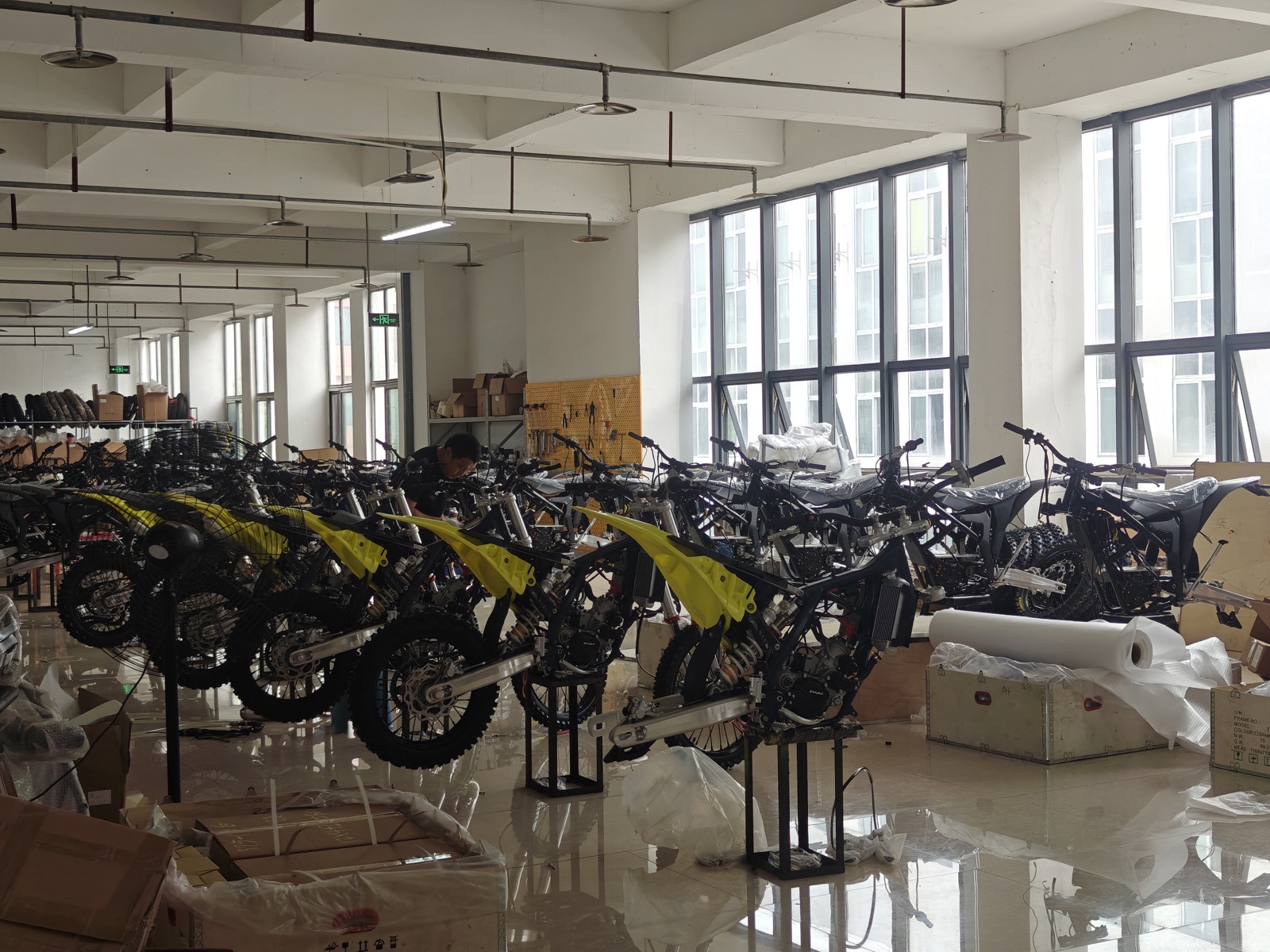
For overseas custom off-road motorcycle projects, the biggest challenge has never been assembling complete bikes to drawings, but rather translating a client’s vague market descriptions into workable engineering parameters. Verbal requirements like “suitable for mountain riding” or “aimed at young riders” must ultimately be refined into hard specifications such as frame geometry, power output curves, suspension travel, and tire specifications. TAIMUMOTO promotes a front-loaded joint R&D model for overseas clients, with the technical team getting involved in discussions from the very start of the project, rather than calculating production costs only after the drawings are finalized.
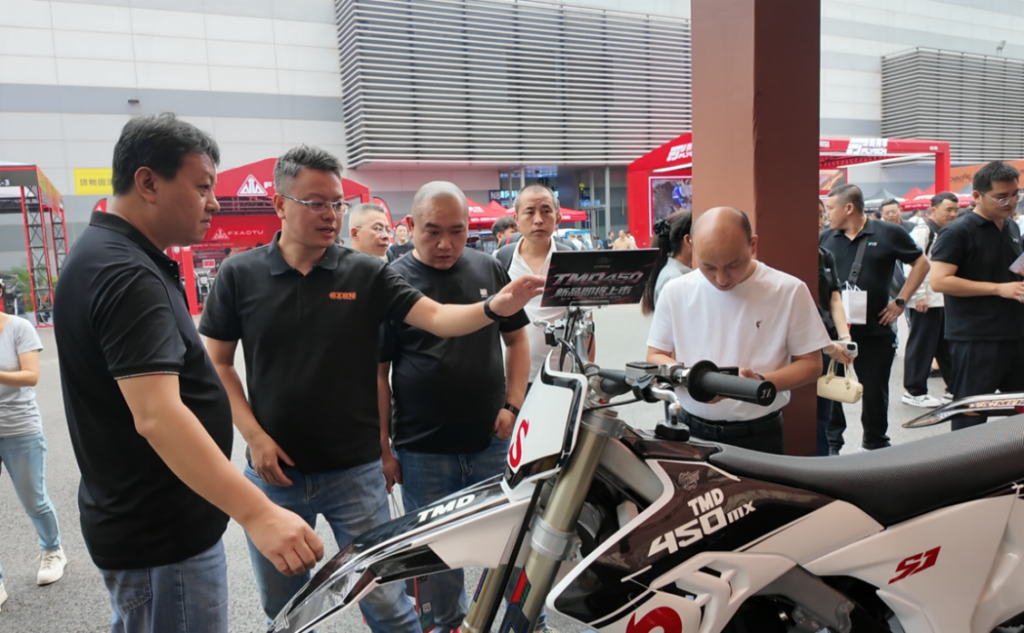
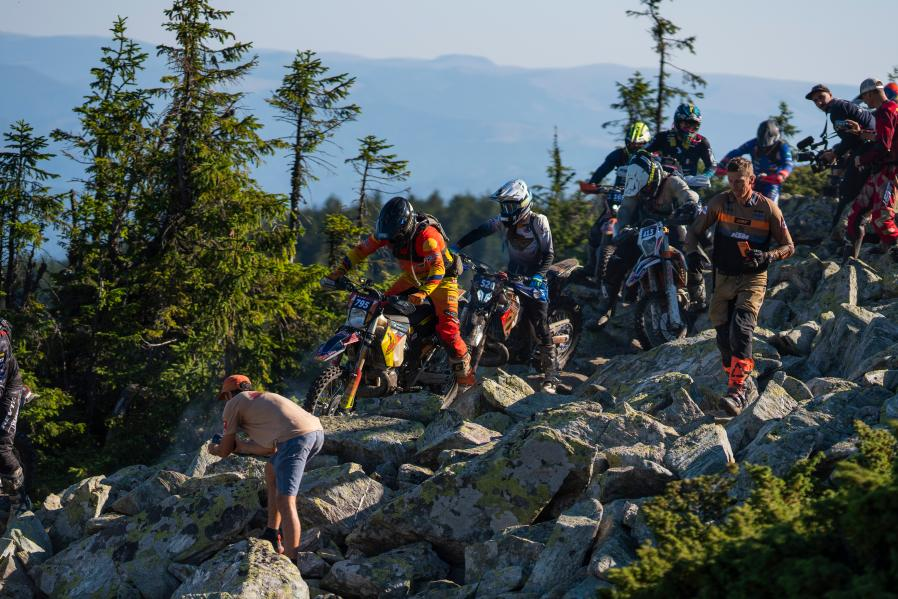
Once the project officially kicks off, both parties go through the target market’s road conditions, rider groups, and local environmental admission standards item by item, breaking down subjective requirements into quantified technical indicators. After the plan is finalized, component selection and prototype assembly are carried out, along with multiple rounds of on-site mountain testing. Handling deviations, cooling issues, and assembly defects exposed during testing are all fed back to the component and parameter level for re-optimization, rather than being papered over with cosmetic changes to pass acceptance. Throughout the collaboration, the client always holds the initiative in product definition, while the factory is responsible for engineering execution, supply chain coordination, and complete vehicle testing. This collaboration model not only saves overseas brands the huge expense of building their own R&D teams, but also reduces repeated rework caused by communication gaps. However, for joint R&D to proceed smoothly, the client also needs to clearly define product boundaries and maintain a stable iteration rhythm.