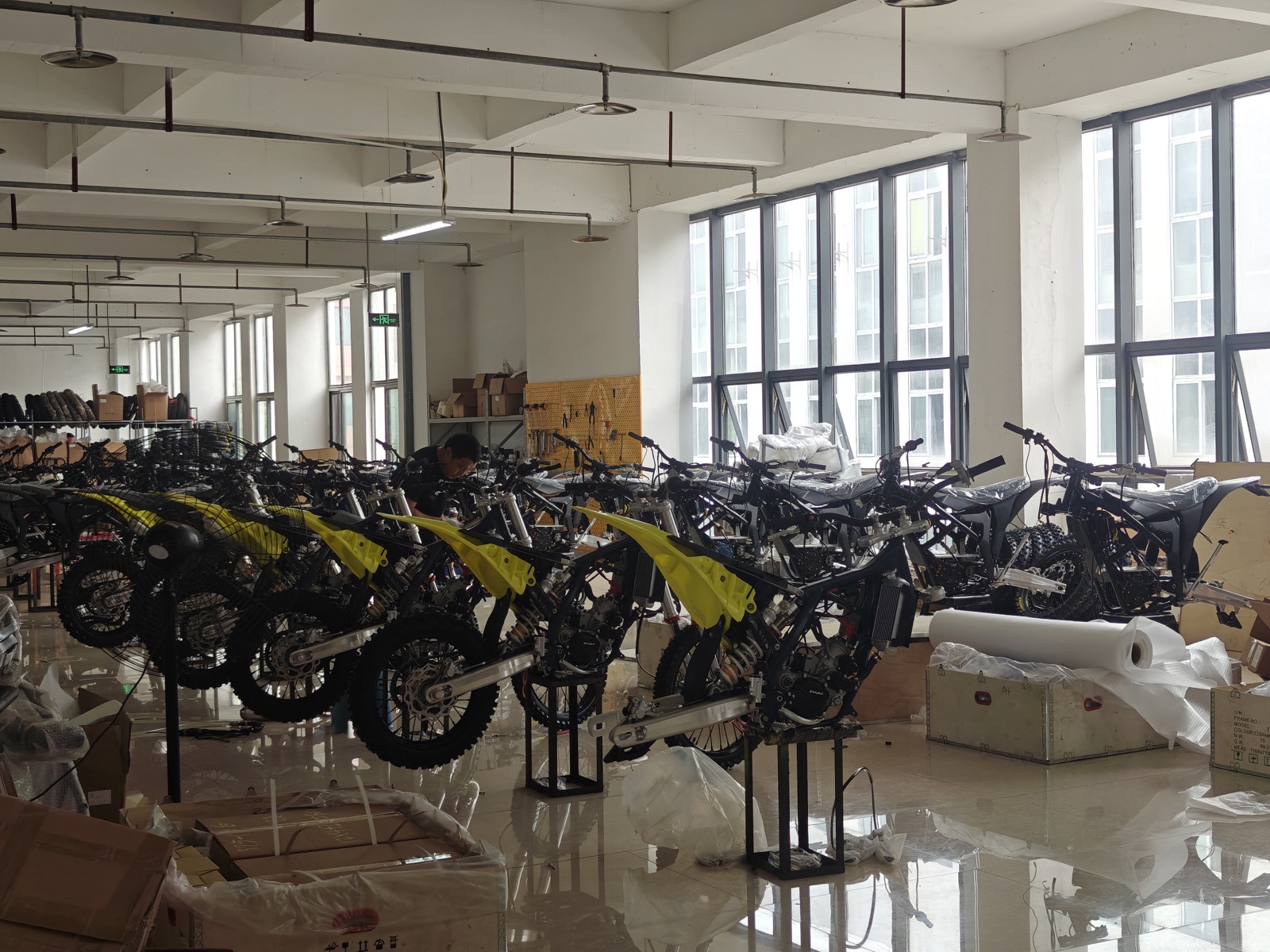
In the past, domestic off-road motorcycles going overseas were mainly shipped as complete units on an order basis, with a simple and direct transaction model. As global market competition intensifies, the needs of overseas buyers have long gone beyond purchasing finished complete motorcycles, and the cross-border supply chain model is now undergoing an upgrade.
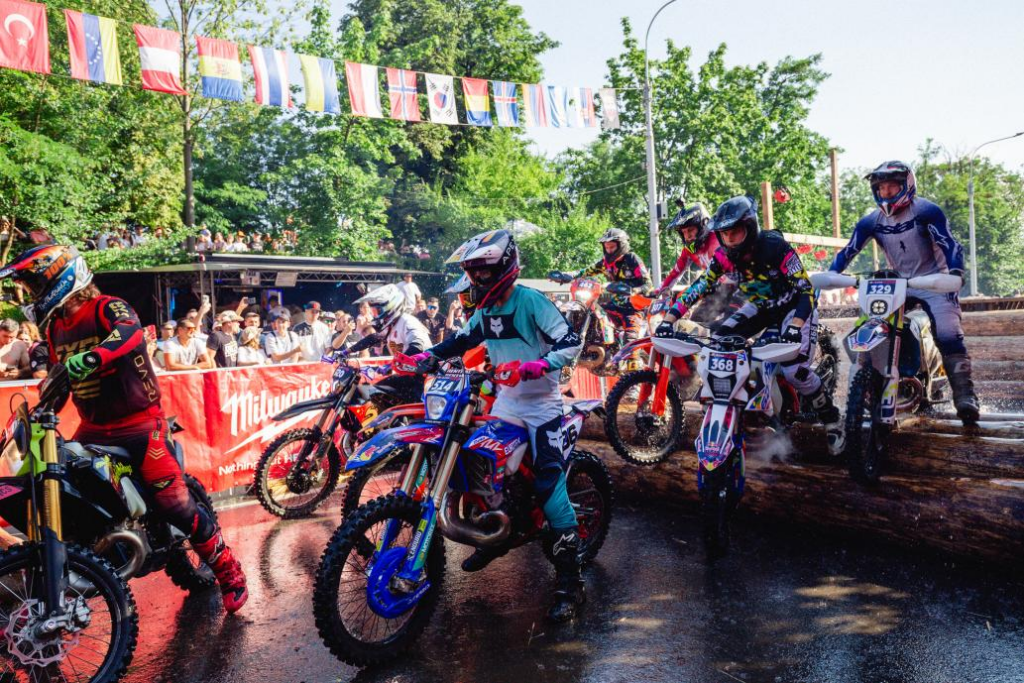
Many overseas dealers, modification shops and race service providers have procurement needs that are fully integrated: in addition to complete motorcycles, they also need matching wear parts, race modification parts, repair tools, localized manuals, compliance certification documents, and even SKD knock-down parts packaging and split-port, split-batch shipping services. If a factory focuses only on complete motorcycle delivery and ignores supporting needs, it is easy to end up with after-sales parts shortages and mismatched supply rhythms, making long-term cooperation difficult to sustain.
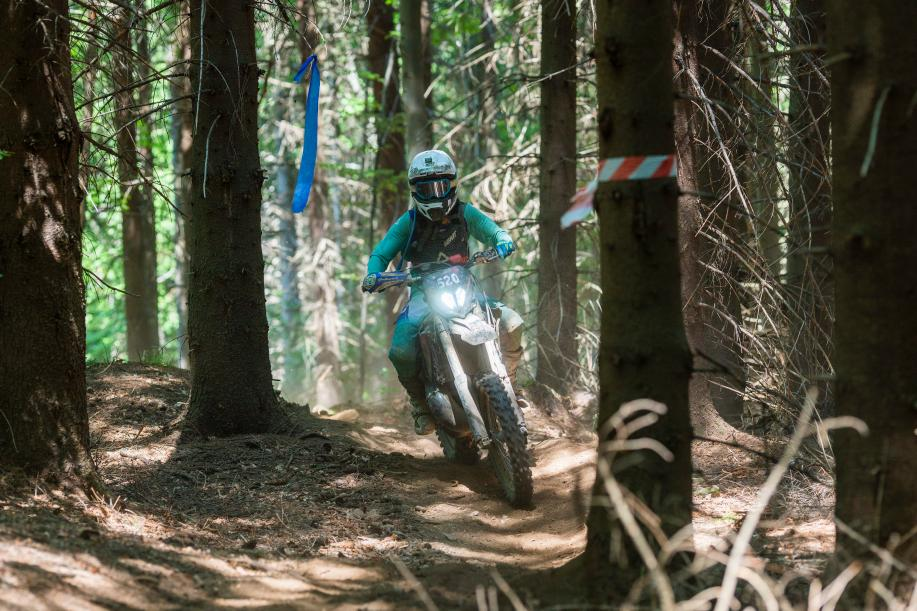
The core of the supply chain upgrade is to move beyond the single-minded approach of supplying complete motorcycles and deeply explore the customer’s complete procurement list.
Leading domestic off-road manufacturers have begun building coordinated supporting systems, working with upstream and downstream motorcycle parts suppliers to incorporate spare parts such as suspension, tires, pistons and bodywork into supply plans, and to formulate batch-by-batch supply plans based on dealers’ inventory turnover rhythms.
Cross-border business is heavily affected by factors such as freight rate fluctuations, changes in certification policies and port delays.
A stable supply chain is essentially a supply chain of information exchange: factories share production capacity cycles, certification progress and parts stocking status in advance, while buyers share local sales forecasts, race schedules and inventory levels. With information flowing between supply and demand sides, saying goodbye to one-off deals, a long-term cross-border cooperation ecosystem with stronger risk resistance can be built, helping domestic off-road motorcycles continue to hold their ground in the global market.